 Auto Clinic Of Brandon
AUTONET TV
Archive for December 2025Don?t Blow Your Cool (Water Pump Replacement)Posted December 28, 2025 12:00 PMIt’s always a good idea to keep your cool, and that’s especially true when it comes to some components of your vehicle. One is the engine. It’s hot under that hood thanks to the mini explosions that are occurring in the internal combustion engine when it’s running. Your vehicle has a cooling system which takes the heat out of the engine by moving a liquid coolant to a spot where the heat can escape (the radiator). The part that keeps that coolant moving is the water pump, which could probably be more accurately called the coolant pump since water is only one component of the fluid that does the cooling. If the water pump fails, your engine can overheat quickly, and that can cause significant and expensive damage to your vehicle. Water pumps can be driven by belts (mechanical) or electricity (electric). Your vehicle’s manufacturer recommends mileage intervals when you should consider replacing your water pump even if seems to be working fine. That way you are less likely to have a water pump break down at an inopportune time. Some manufacturers recommend replacing it every 60,000-100,000 miles/100,000-160,000 km. Sometimes your water pump will fail before that, of course. One sign something is wrong with the cooling system is if you notice the engine is overheating. An illuminated engine temperature warning light on your dash or a temperature gauge that shows above normal are two things to look for. You may also see steam coming out of the engine compartment, which is another sign of overheating. Both could mean your water pump needs replacing. We also recommend that when your vehicle’s timing belt needs to be replaced that you have the water pump replaced at the same time since everything will already be apart. When your vehicle is already in to have the water pump replaced, it’s a good time for a technician to examine other cooling system components at the same time. Those will include belts, pulleys, hoses, clamps as well as the radiator, thermostat and heater core.
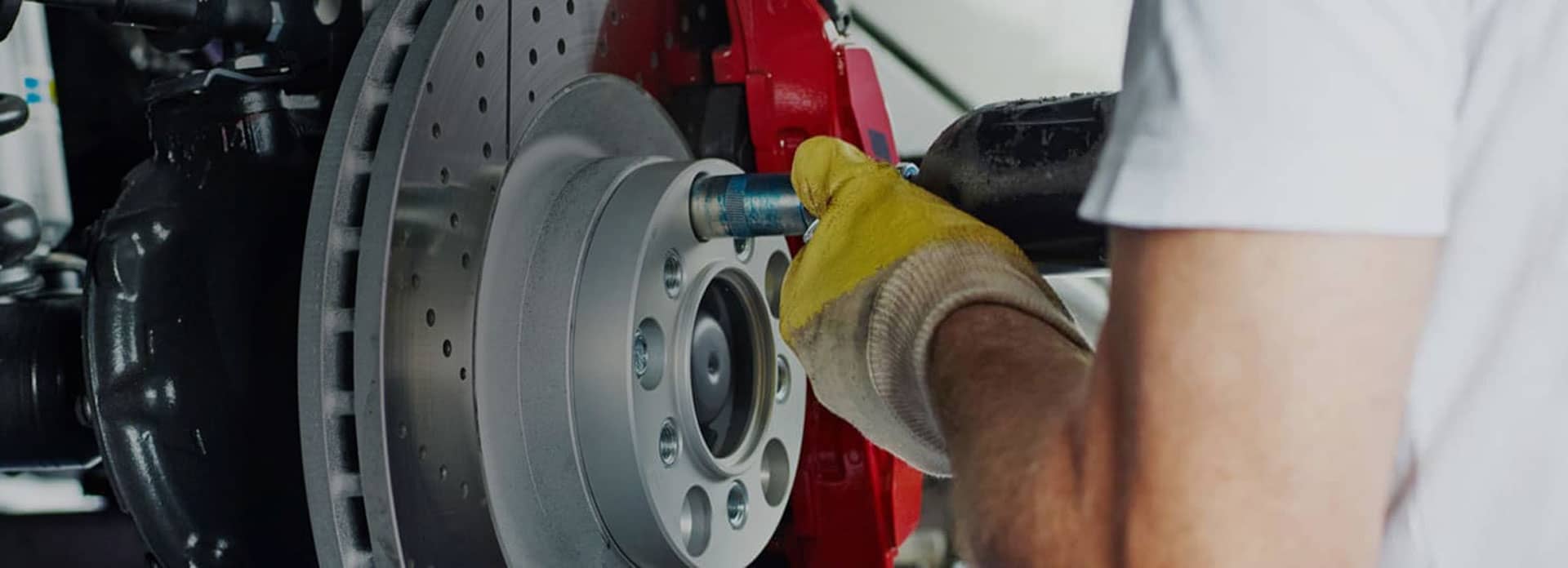
Knowledge is Power (Battery Testing)Posted December 21, 2025 12:00 PMIt’s likely happened to you once or twice. You head to your vehicle, open the door, turn the key and… lo and behold, your battery is dead. Now you’re stranded, may have to get a jump or a tow, and you’ll definitely be late for wherever you were headed. While your vehicle may sometimes give you warning signs, other times it doesn’t. As many as one out of every four vehicles will have to have its battery replaced in the next 12 months. If you don’t want to be surprised the next time your battery fails, consider having it tested. There are different types of battery testing. One measures voltage. Another checks for something called conductance. By sending a certain type of electric current into the battery, it can measure how healthy your vehicle’s battery is. There’s also a load test. It checks how your battery is working while drawing power from it. Newer test equipment found in professional service facilities can check for a number of different conditions using different methods. Most vehicle batteries last around five years. It all depends on how you drive and in what conditions. Extreme heat and cold will take their toll on a battery and shorten its life. Stop-and-go city driving will also place batteries under more stress than smooth, continuous driving. So, what are some signs that your battery is starting to show its age? Well, the battery or alternator light may illuminate after you’ve started the vehicle or come on while you are driving. If you’ve left lights or some equipment on and drained the battery, that can be very hard on it. Because the battery is one of your vehicle’s most important components, it’s a good idea to have us check it regularly. In addition to examining the battery itself, a technician will also inspect the terminals and cables for corrosion, damage, fraying wires and loose connections. It’s smart to have us do it before any extreme weather changes are expected or before long trips. In this case, knowledge truly is power. autoclinic of brandon Stop! And See Us (Brake Pad Replacement)Posted December 14, 2025 12:00 PMIf you’ve ever driven a bicycle with hand brakes, you’ll probably understand how the brake pads on your vehicle work. Bicycle brakes use a system that squeezes the bike wheel’s rim with a pair of cushioned pads activated by your hand squeezing the hand brakes on your handlebars. The friction of those pads stops the wheel. That’s the same principle used for the wheels on your vehicle. Step on the brake pedal and that causes pads to put pressure on discs in the wheels called rotors. Those pads create friction and stop the wheels from turning. Brake pads in vehicles are made from several different materials. The pads most commonly used are ceramic or a combination of metals. The friction that stops your vehicle generates heat and wears both the pads and, eventually, the rotors, too. That means that, over time, both are going to need replacing to work properly. One sign brake wear is getting noticeable may be when you hear squeaking when you stop. Or you might feel the vehicle pulling to one side during braking or the brake light on your dash illuminates. All are signs to bring your vehicle in to us for inspection and service. When your vehicle is in for brake pad replacement, our technician will check other components such as the brake calipers, rotors and lines. Brakes are something you should have inspected at regular intervals because they are a vital safety component of your vehicle. Consider having us look at them every 10,000 miles/16,000 km or each time you bring your vehicle in for an oil change. autoclinic of brandon Don?t Meddle with the Pedal (Brake Caliper Replacement)Posted December 7, 2025 12:00 PMIf you drive a newer vehicle, chances are it has disc brakes, and one of the components of that type of brake is called a brake caliper. The caliper allows the pressure from your foot on the brake pedal to eventually move brake pads against discs in your wheels, which then slow and stop your vehicle. If you have disc brakes on all 4 wheels, your vehicle will have 4 calipers. If you have them just on the front wheels, you’ll only have 2 calipers. Because your wheels and brakes do their work outside and on the road surface, they are exposed to a lot of dirt and debris, as well as enduring heat, cold, moisture and tough treatment in daily driving. Your calipers have seals that are susceptible to the heat generated during the repetitive stops in normal driving, which can take a tough toll on those seals. If you drive when your vehicle’s brake pads and rotors are worn, you can ruin your calipers in the process. Here are a few signs that a caliper might be failing: Your vehicle is pulling to one side when you apply the brakes. Your pedal goes down to the floor when you push on it. You hear squeaking from the wheels while braking. You notice brake fluid on the pavement underneath your vehicle after you’ve parked it for a few hours. If you are getting any of those warning signs, it’s important to have one of our technicians determine what’s going on. There are several brake components that contribute to your vehicle’s safe operation, including the calipers, pads, rotors, brake lines and brake fluid. Regular brake maintenance is recommended in your vehicle’s owner’s manual to prevent dangerous surprises. And when you see issues, have your brakes serviced as soon as you see signs of trouble. autoclinic of brandon | ||
SearchArchiveDecember 2009 (3)January 2010 (3) February 2010 (4) March 2010 (4) April 2010 (5) May 2010 (2) June 2010 (1) July 2010 (4) August 2010 (4) September 2010 (3) October 2010 (3) November 2010 (4) December 2010 (5) January 2011 (4) February 2011 (4) March 2011 (5) April 2011 (4) May 2011 (4) June 2011 (1) August 2011 (3) September 2011 (3) October 2011 (2) December 2011 (4) February 2012 (2) March 2012 (4) April 2012 (4) May 2012 (1) June 2012 (3) July 2012 (1) August 2012 (1) November 2012 (1) December 2012 (2) March 2013 (1) April 2013 (4) May 2013 (1) September 2013 (1) October 2013 (5) November 2013 (2) January 2014 (2) February 2014 (4) March 2014 (1) July 2014 (4) August 2014 (7) September 2014 (4) October 2014 (5) November 2014 (4) December 2014 (4) January 2015 (5) February 2015 (4) March 2015 (4) April 2015 (4) May 2015 (3) June 2015 (5) July 2015 (1) September 2015 (2) October 2015 (4) November 2015 (5) December 2015 (2) February 2016 (2) March 2016 (3) April 2016 (4) May 2016 (5) June 2016 (4) July 2016 (5) August 2016 (4) September 2016 (4) October 2016 (4) November 2016 (5) December 2016 (4) January 2017 (5) February 2017 (4) March 2017 (4) April 2017 (4) May 2017 (5) June 2017 (4) July 2017 (5) August 2017 (3) September 2017 (3) October 2017 (4) November 2017 (5) December 2017 (3) January 2018 (5) February 2018 (4) March 2018 (4) April 2018 (5) May 2018 (4) June 2018 (3) July 2018 (5) August 2018 (4) September 2018 (5) October 2018 (3) November 2018 (4) December 2018 (5) January 2019 (5) February 2019 (4) March 2019 (5) April 2019 (4) May 2019 (4) June 2019 (5) July 2019 (4) August 2019 (3) September 2019 (5) October 2019 (4) November 2019 (4) December 2019 (5) January 2020 (5) February 2020 (4) March 2020 (5) April 2020 (4) May 2020 (5) June 2020 (4) July 2020 (3) August 2020 (5) September 2020 (4) October 2020 (4) November 2020 (5) December 2020 (4) January 2021 (6) February 2021 (4) March 2021 (4) April 2021 (4) May 2021 (5) June 2021 (4) July 2021 (4) August 2021 (5) September 2021 (4) October 2021 (5) November 2021 (3) December 2021 (4) January 2022 (6) February 2022 (4) March 2022 (4) April 2022 (4) May 2022 (5) June 2022 (4) July 2022 (5) August 2022 (2) September 2022 (4) October 2022 (5) November 2022 (4) December 2022 (4) January 2023 (5) February 2023 (4) March 2023 (4) April 2023 (5) May 2023 (4) June 2023 (4) July 2023 (5) August 2023 (4) September 2023 (3) October 2023 (3) January 2024 (1) February 2024 (4) April 2024 (1) May 2024 (4) June 2024 (5) July 2024 (4) August 2024 (4) September 2024 (5) October 2024 (4) November 2024 (4) December 2024 (4) September 2025 (2) October 2025 (6) November 2025 (5) December 2025 (4) January 2026 (4) February 2026 (4) March 2026 (2) | CategoriesFuel System (7)Air Conditioning (11)Maintenance (9)Tires and Wheels (4)Brakes (18)Timing Belt (5)Alignment (8)Battery (14)Keys to a long lasting vehicle (2)Exhaust (11)Fuel Economy (8)Fluids (8)Auto Safety (5)Headlamps (6)Alternator (7)Service Standards (3)Battery Replacement (1)Service Intervals (1)What Customers Should Know (87)Steering (12)Check Engine Light (4)Dashboard (1)Transmission (6)Safety (2)Windshield Wipers (4)Tire Rotation and Balancing (3)Customer Detective Work (1)Wheel Bearings (1)Oil Change (9)Fuel Saving Tip: Slow Down (2)Shocks & Struts (4)Cooling System (8)Drive Train (4)Winter Prep (2)Automotive News (2)Older Vehicles (1)Safe Driving (1)Tires (11)Spark Plugs (2)Inspection (4)TPMS (3)Suspension (3)Water Pump (3)Winter Tires (1)Differential Service (2)PCV Valve (2)Serpentine Belt (2)Brake Service (9)Fuel Pump (1)Transfer Case Service (1)Cabin Air Filter (2)Trip Inspection (2)Engine Air Filter (4)Shocks and Struts (2)Fuel Filter (2) | |

OUR REVIEWS


Mic P, 09/19/2024I was stuck with a flat tire in the parking lot next to them and they came over and offered to plug my tire! (They saw me struggling in the heat) lol Very helpful and am so grateful!
Get free Coupons
Take advantage of these great offers!
Oil Change Special!
$24.95 Conventional Oil up to 5 qts
(by appointment only)
A/C Special $9.95
With Appointment, check freon levels and pressures (R134 systems only).
partners
.png)